banner

Welcome to the 4-Week Free Guitar Primer Course

We're excited to have you join us on this journey into the world of guitar. This course is specially designed for absolute beginners, so whether you've never held a guitar before or are just starting out, you're in the right place.

Over the next four weeks, you'll learn essential guitar basics including chords, rhythm, strumming patterns, and core techniques — all taught step-by-step by our experienced instructors in a supportive online learning environment.

Get ready to build strong fundamentals, develop confidence, and most importantly, enjoy making music.

Before we begin, it is going to be a little fast-paced since we have to cover a lot of ground in only 4 weeks. Please note these are interactive live sessions. If you wish to enroll, then please fill out the form below.

Let's begin your guitar journey!
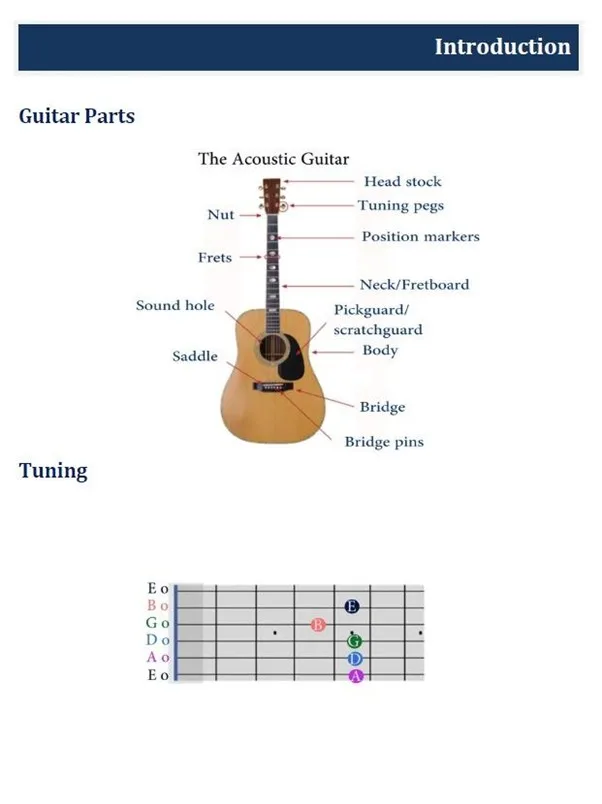
Guitar Parts

Learn the essential parts of a guitar including the body, neck, frets, headstock, and strings. Understanding the instrument is the first step to mastering it.

Guitar Part 1

Posture & Plectrum Holding

When it comes to playing a musical instrument, it is very important to find the correct posture. You need to be relaxed while playing, so the posture should be very comfortable. This same concept applies for plectrum holding too.

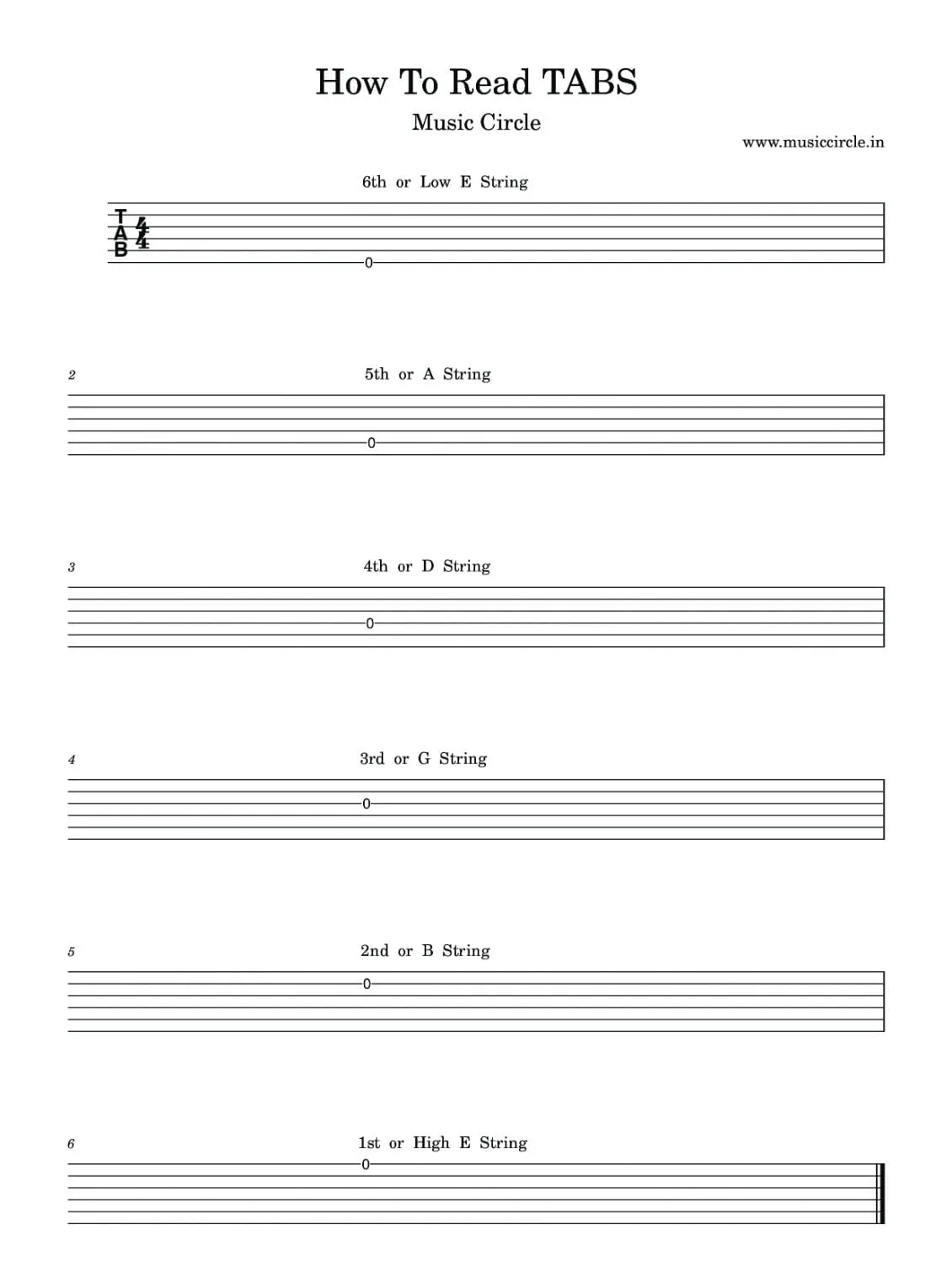
Reading Tabs

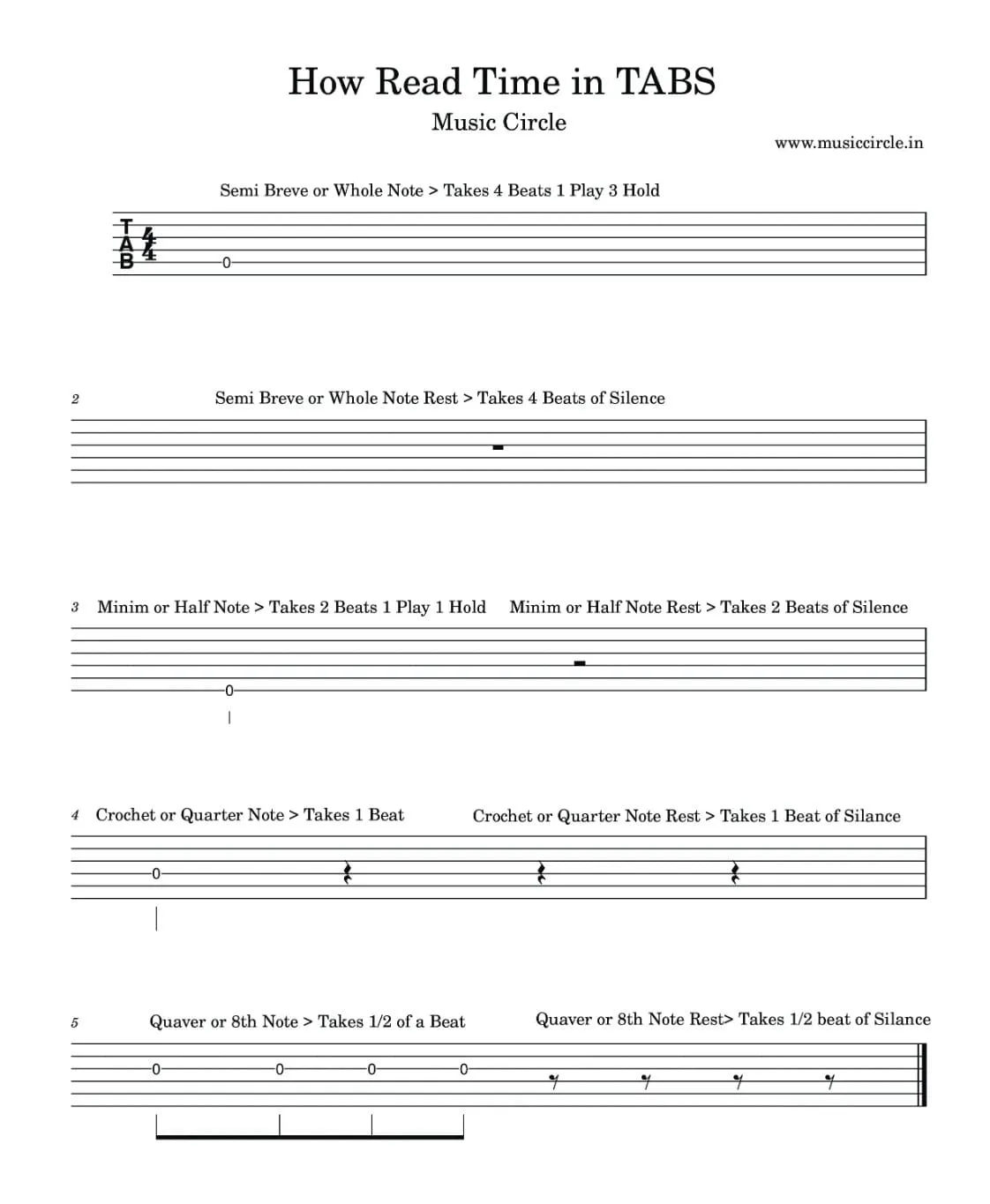
Reading guitar tabs (short for tablature) is one of the easiest ways for beginners to start playing songs quickly. Guitar tabs show you exactly where to place your fingers on the fretboard and the extended version we teach will also teach you to read the time (beats) as well.

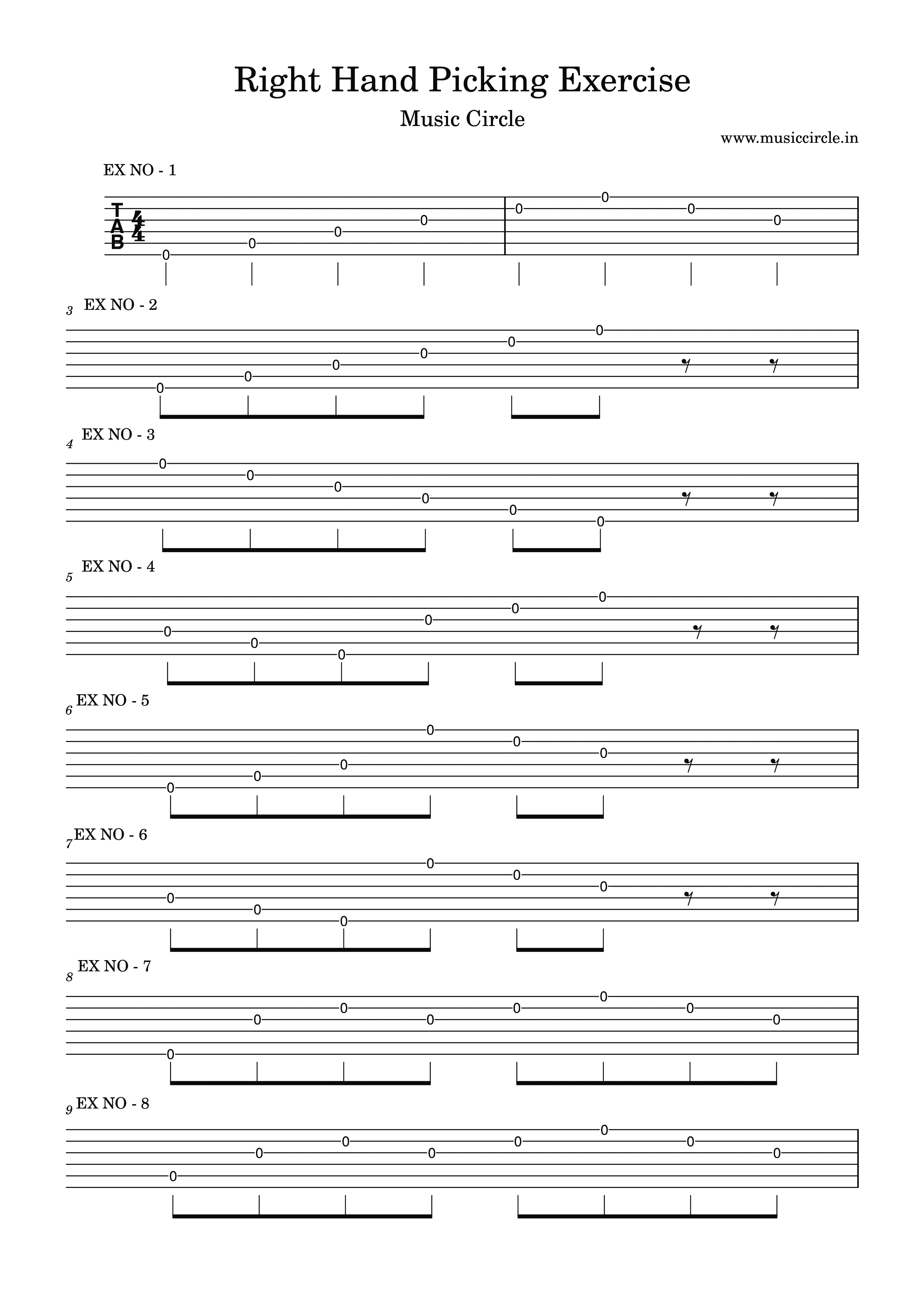
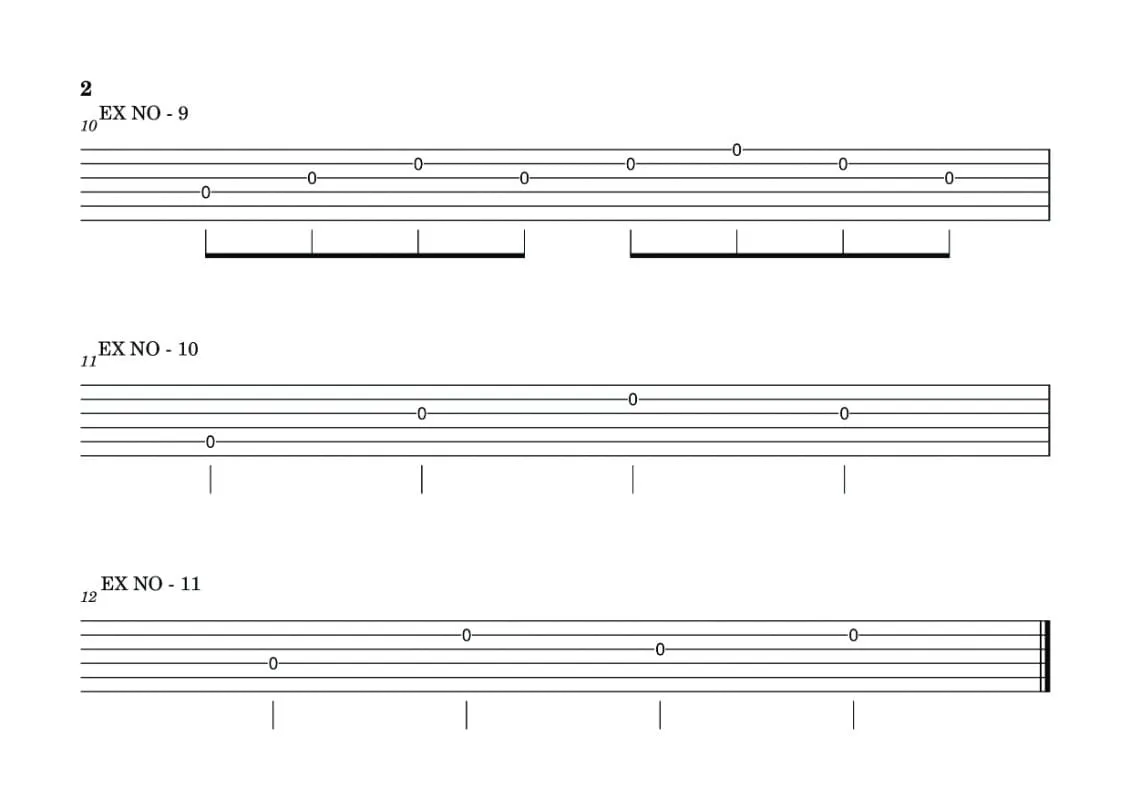
How to Read Tabs How Read Time in Tabs Right Hand Picking Exercise1 Right Hand Picking Exercise2

Finger / Chromatic Exercise

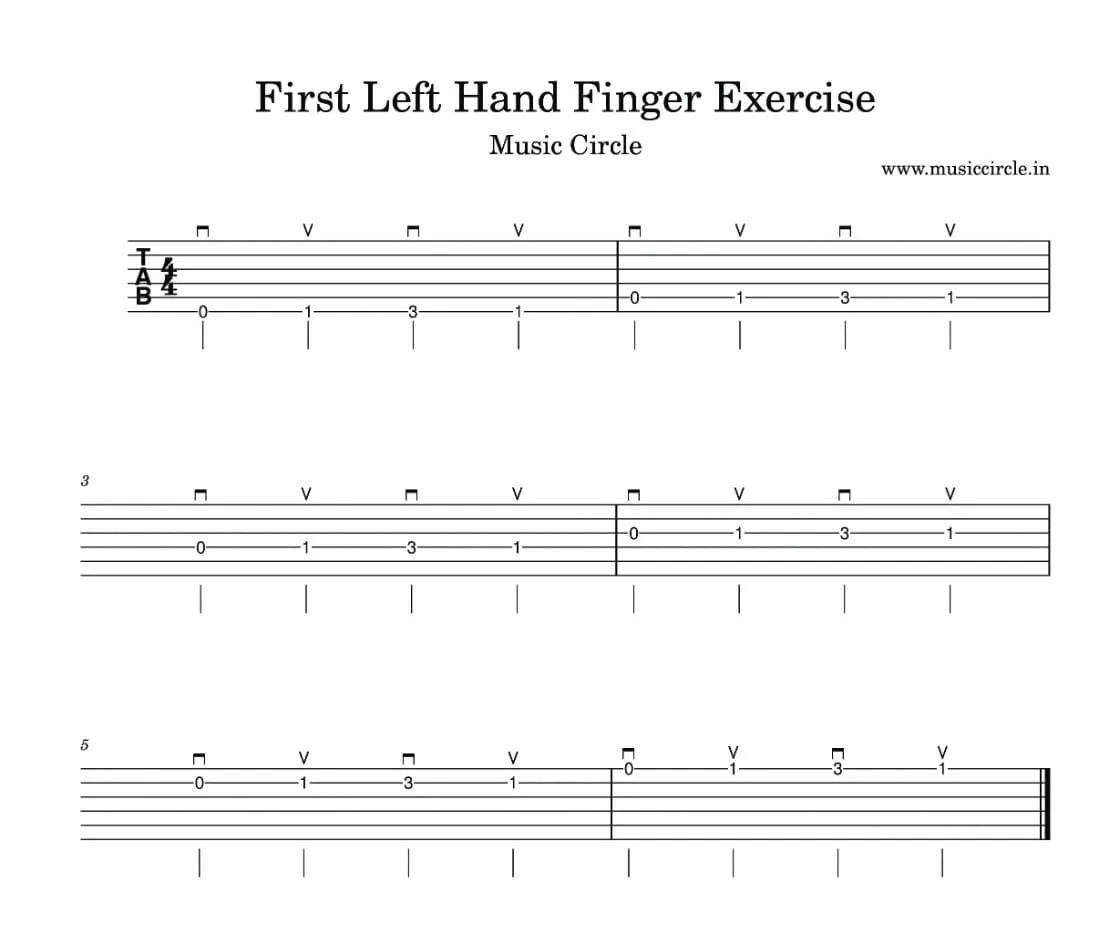
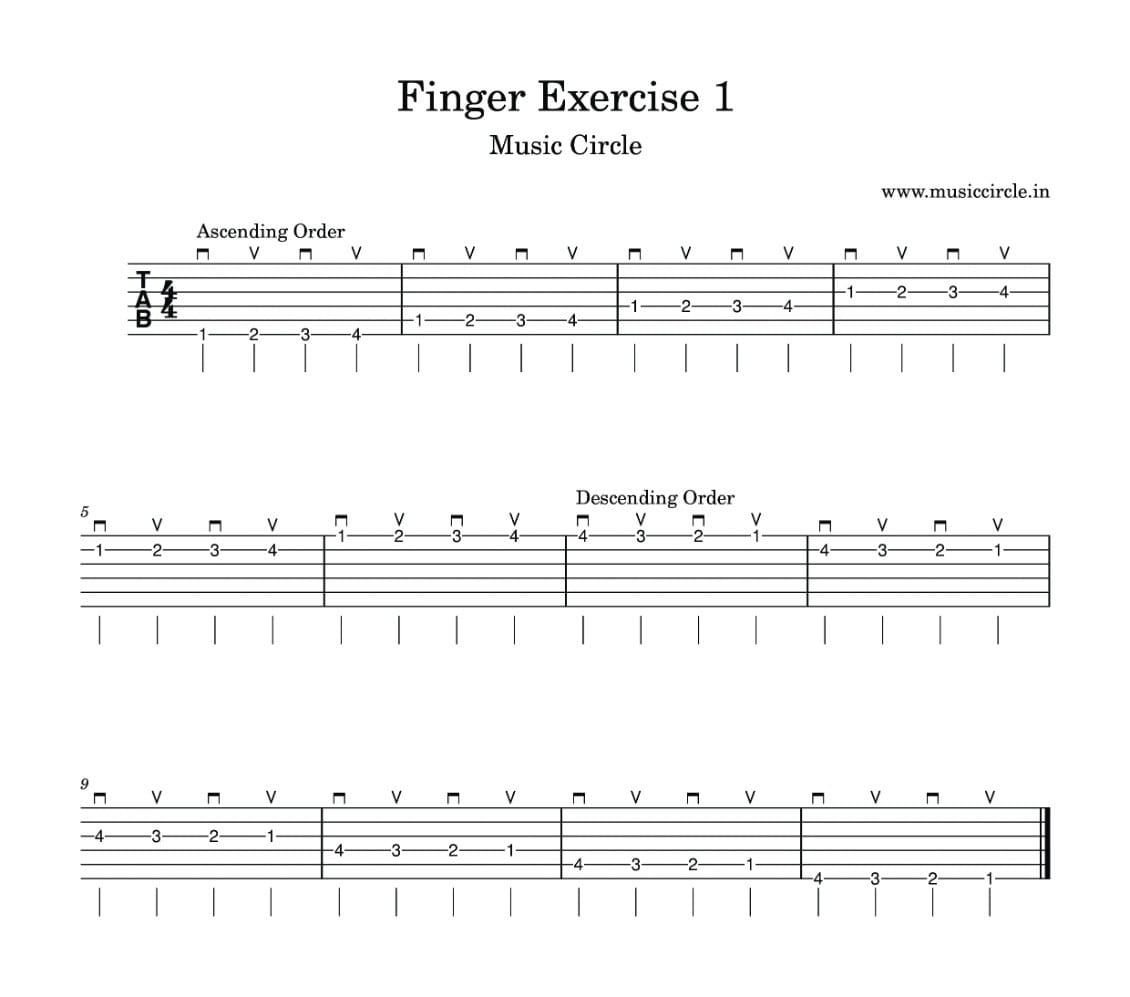
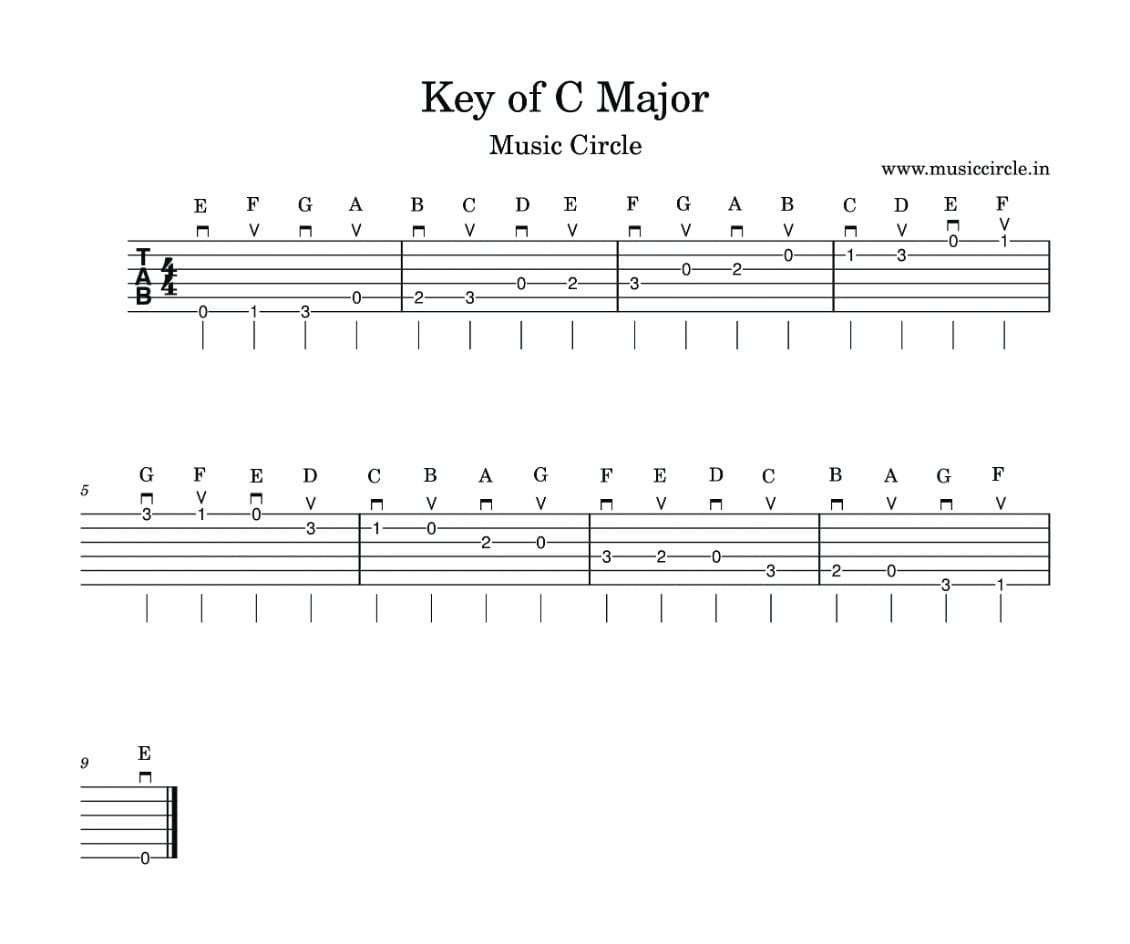
If you want to play your favorite songs properly or want to learn guitar quickly then there is no substitute to the chromatic exercises. In a lay man's term a chromatic exercise uses all notes on the guitar and compels you to use all 4 fingers. These exercises help you to build speed, stamina, strength and dexterity while improving left and right hand co-ordination. Start at a slow tempo.

First Left Hand Finger Exercise Finger Exercise 1 Key of C Major

Time to learn some songs

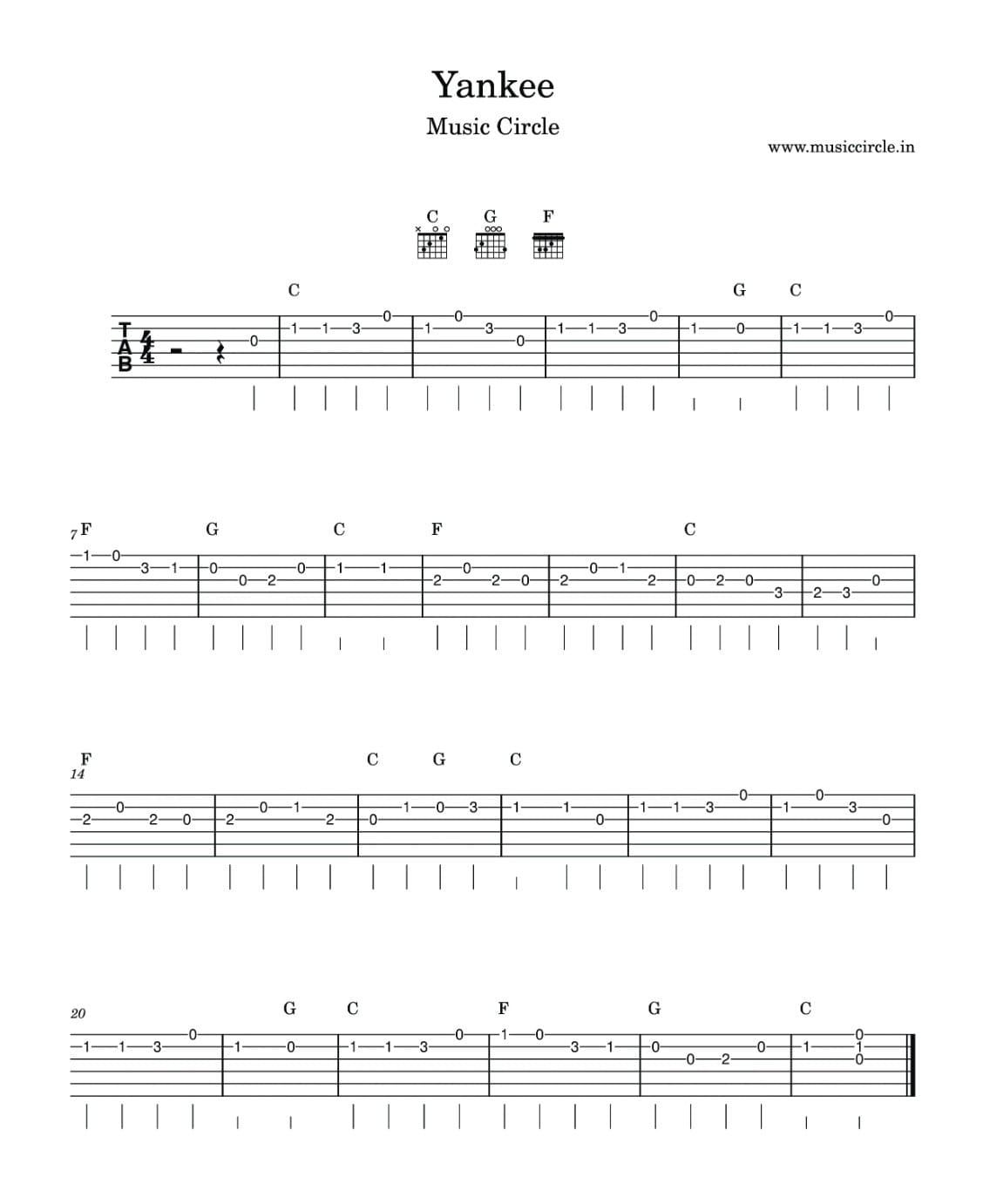
Now that you've practiced your finger exercises, it's time to start learning a few basic songs to improve your finger movement and build confidence. These beginner-friendly songs will help you apply your technique in a fun and practical way, preparing you for more exciting lessons ahead in your online guitar learning journey.

Yankee
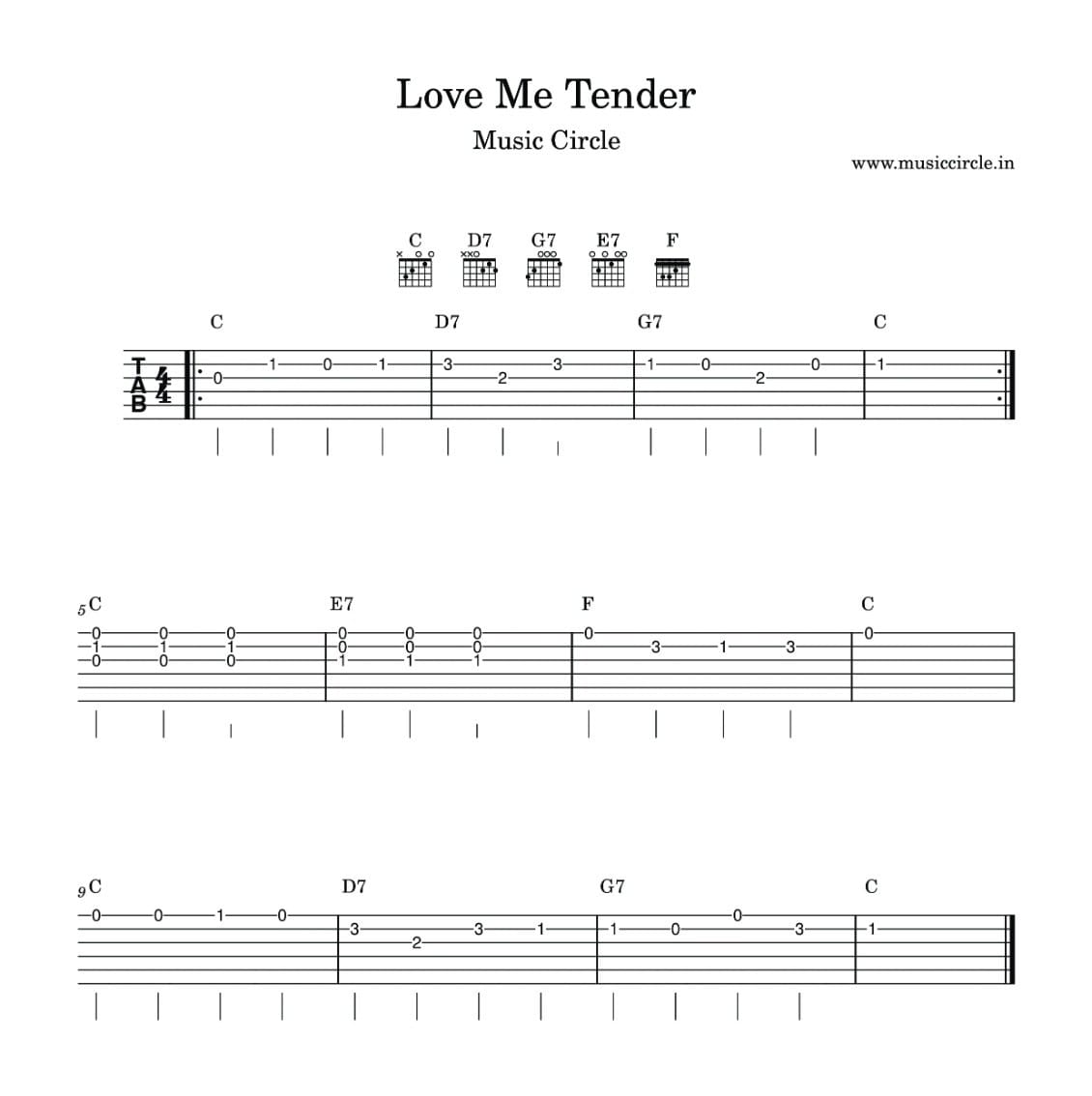
Love Me Tender

Pre-chord exercises

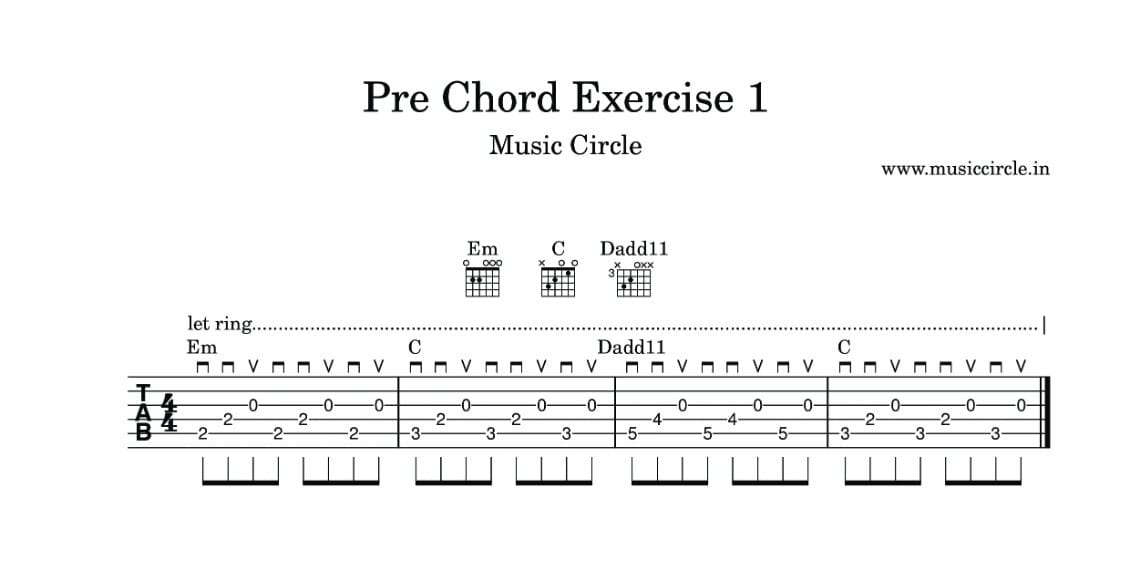
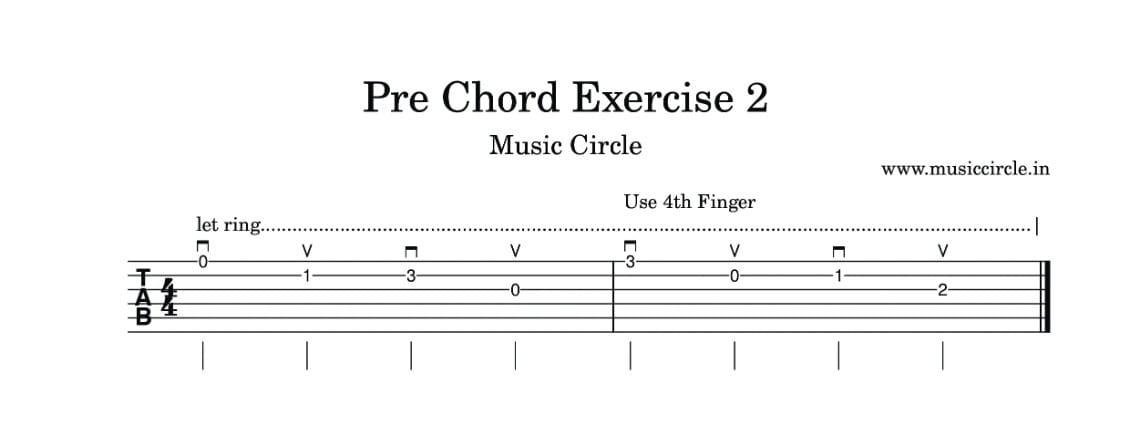
Learning chords at the beginning is never a good idea since your fingers are not prepared. We already learned a lot of things and let us take the final step before we dive into chords. So the last step is called pre-chord exercises. These exercises will help you to learn chords easily.

Pre Chord Exercise 1 Pre Chord Exercise 2

Introduction to Chords

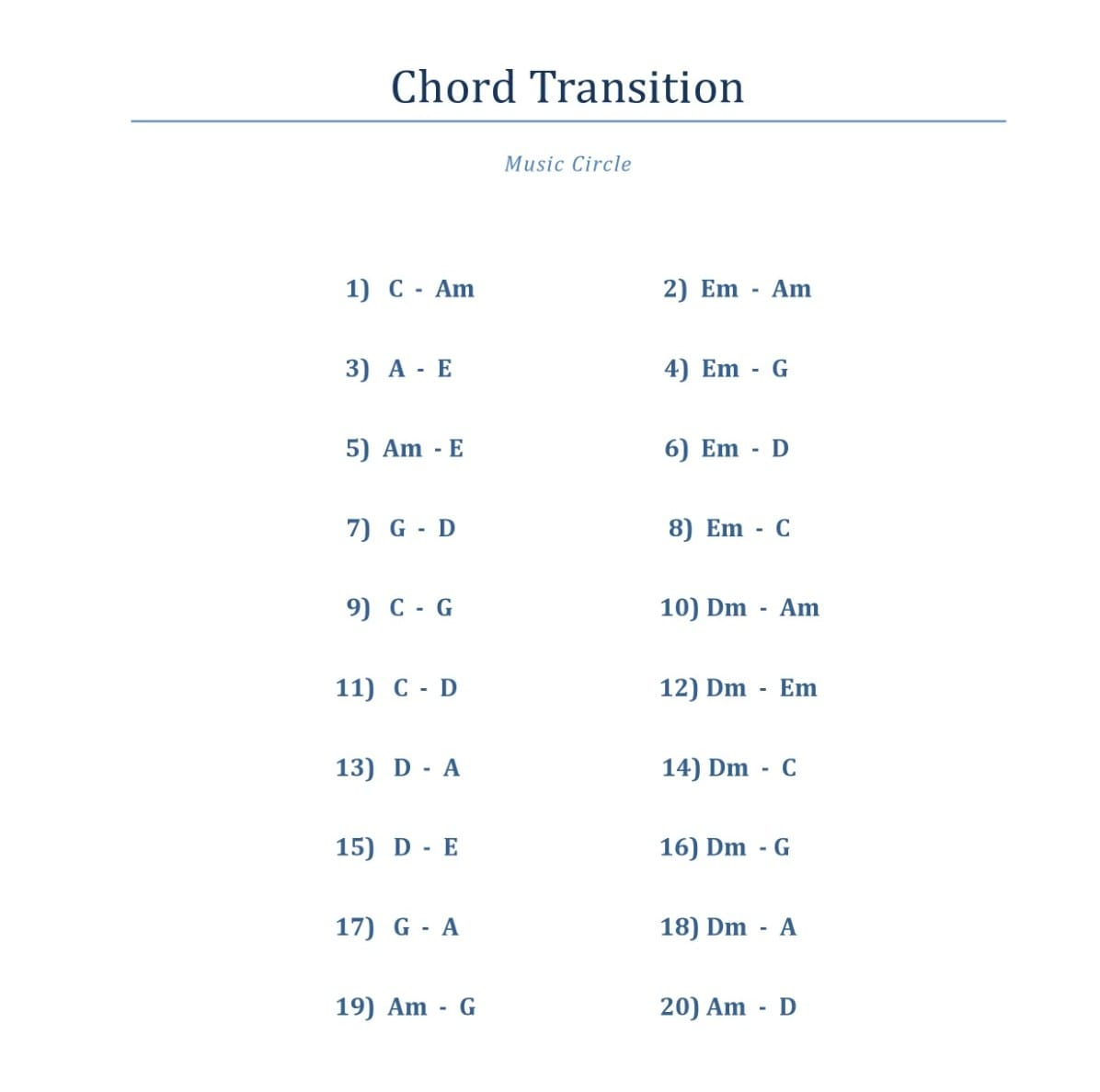
Let us learn some chords now. The best thing to do is to take a few simple chords that are easy to switch. We will work on chord shifting between each of the chords taking one unique pair at a time. Take your time, don't rush. (Let us chase perfection, not speed). Once you can manage to switch in time, speed will automatically come.

A Major (A)
A Minor (Am)
C Major (C)
D Major (D)
D Minor (Dm)
E Major (E)
E Minor (Em)
F Major (F) Easy
G Major (G)
Chord Transition

Backing Track For Practicing Chord Transition

Watch on YouTube

More Scales More Fun

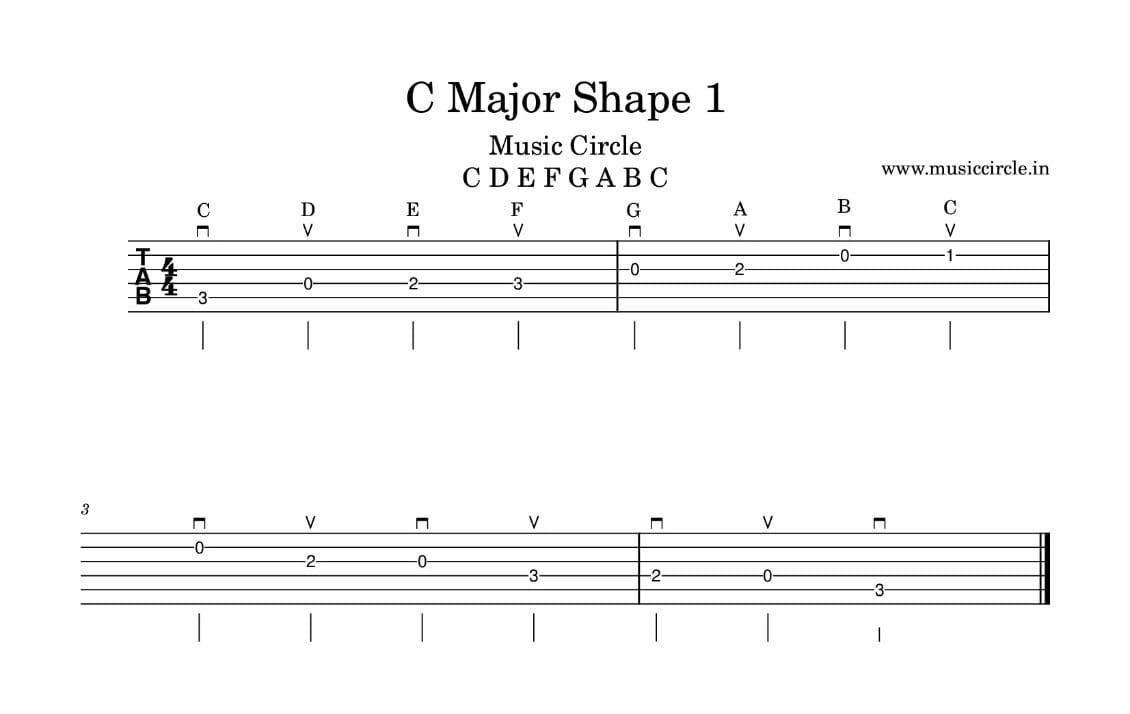
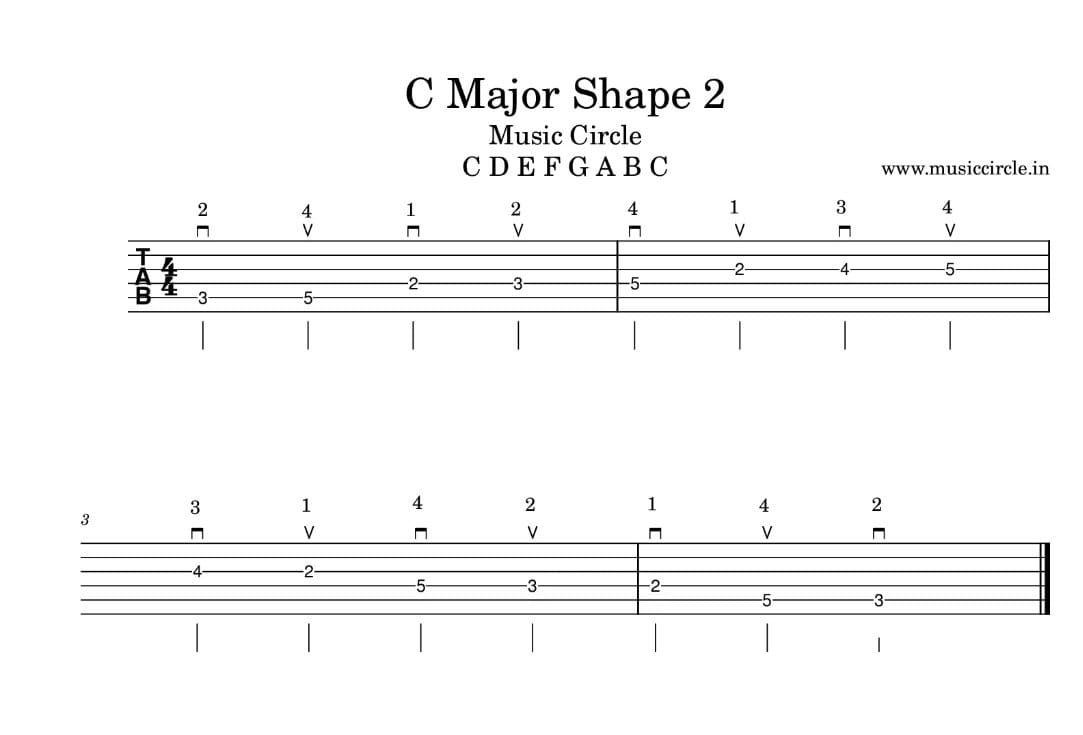
C Major Shape 1 C Major Shape 2

First Hindi Song

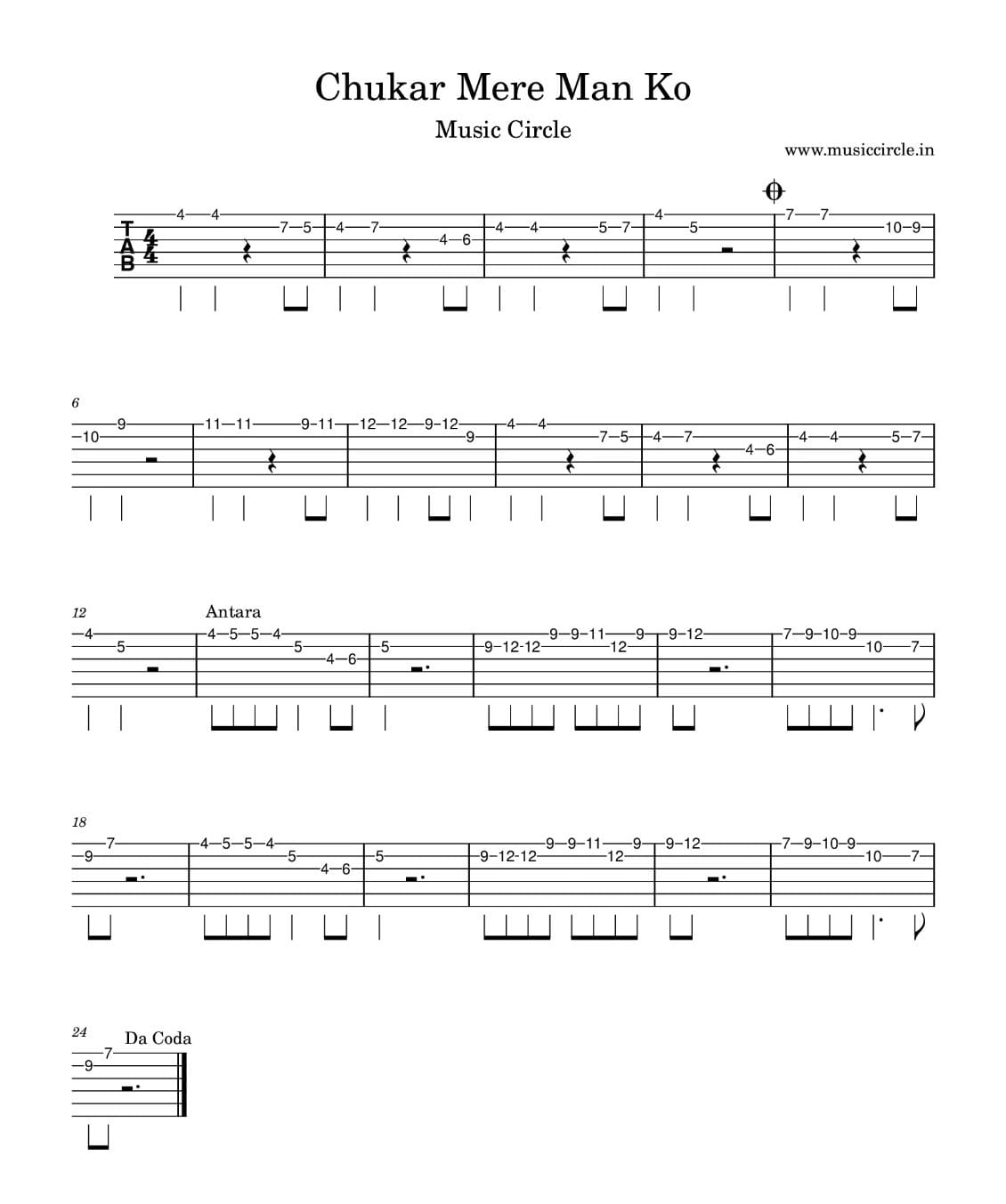
Learn your first Hindi song using the chords you've practiced. This will be a fun milestone in your guitar journey!

Chukar Mere Man Ko

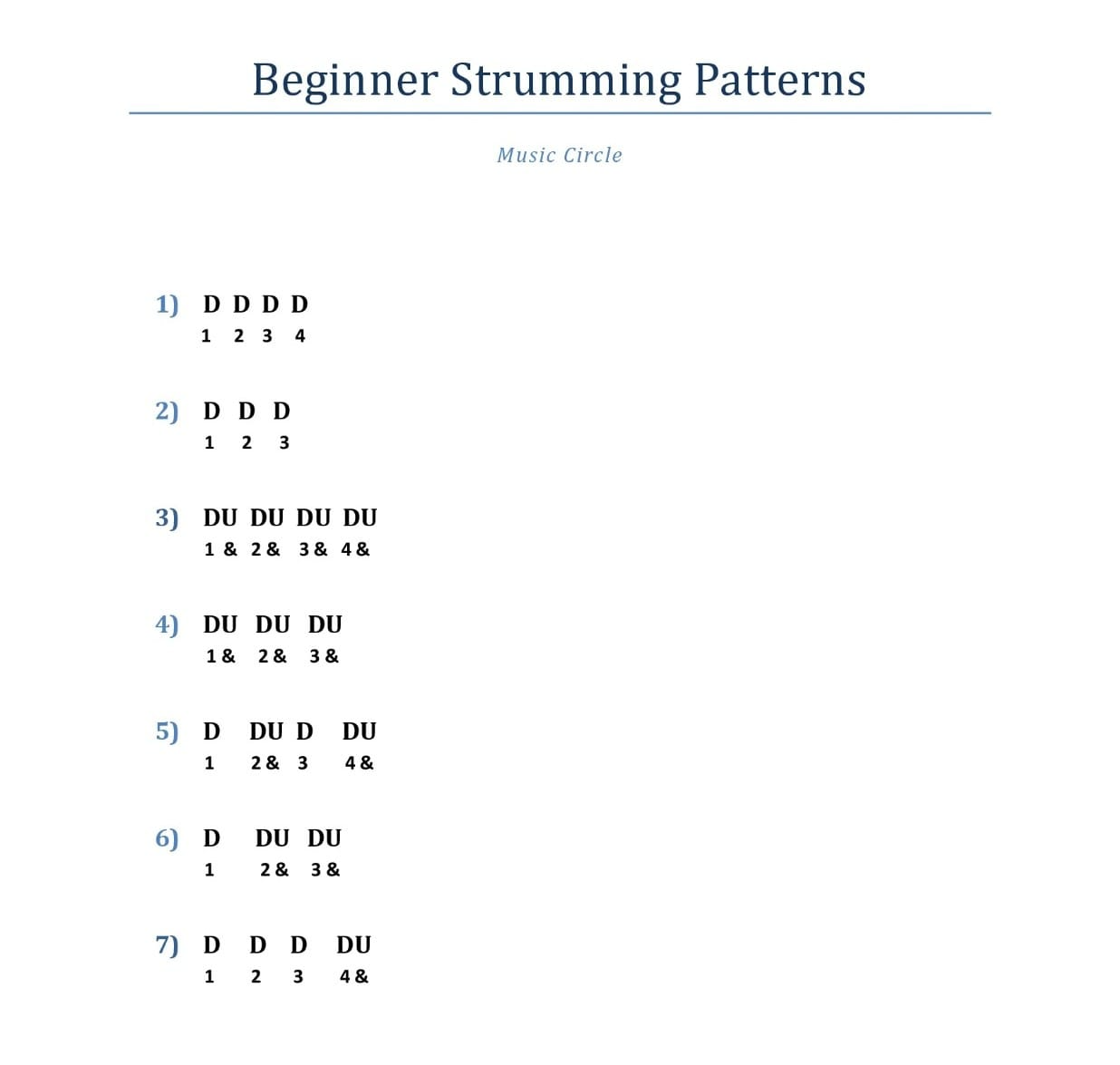
Beginner Strumming Patterns

Beginner Strumming Patterns

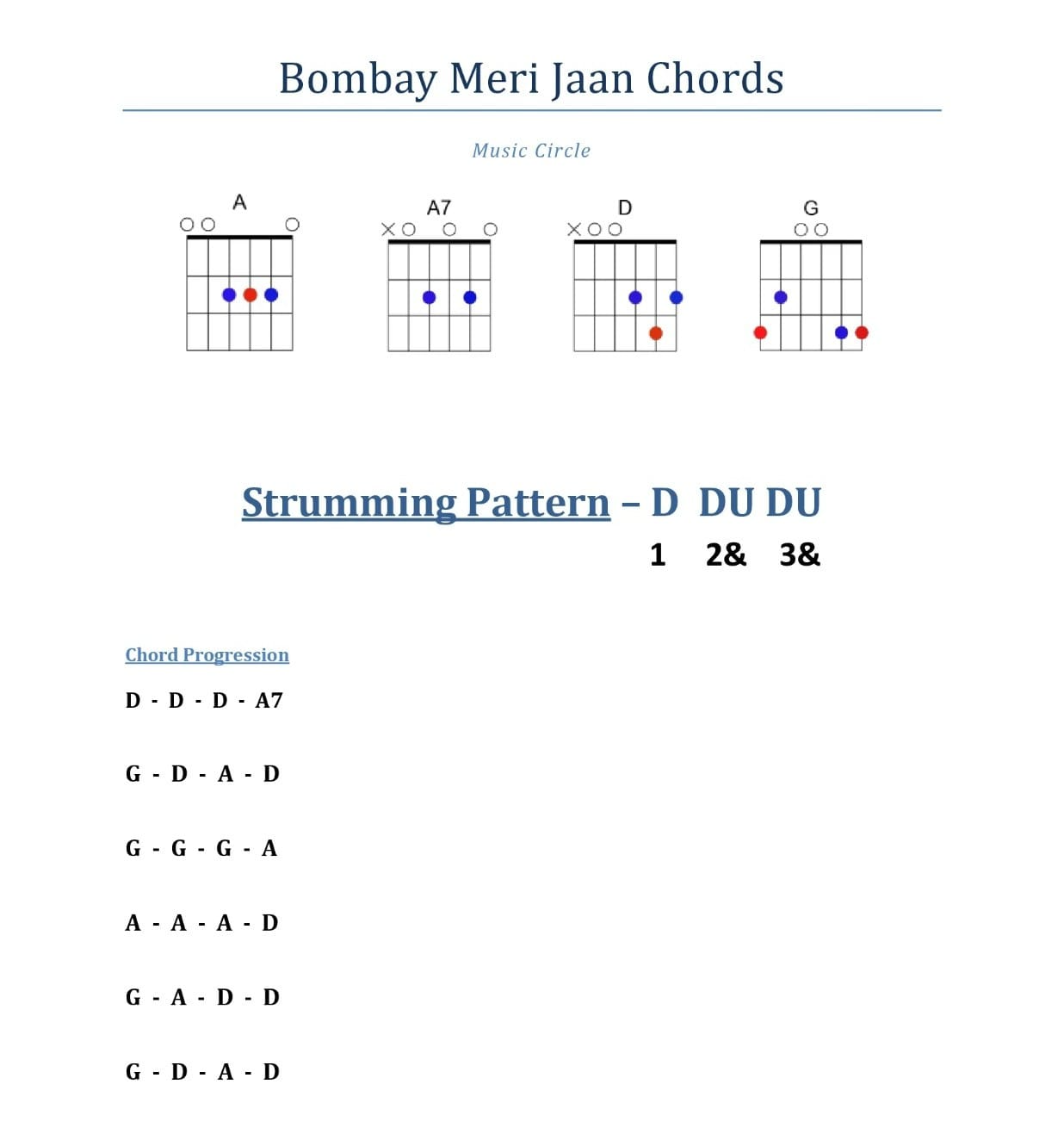
Strumming With Song (Yeh Hai Bombay Meri Jaan)

Bombay Meri Jaan Chords_00001

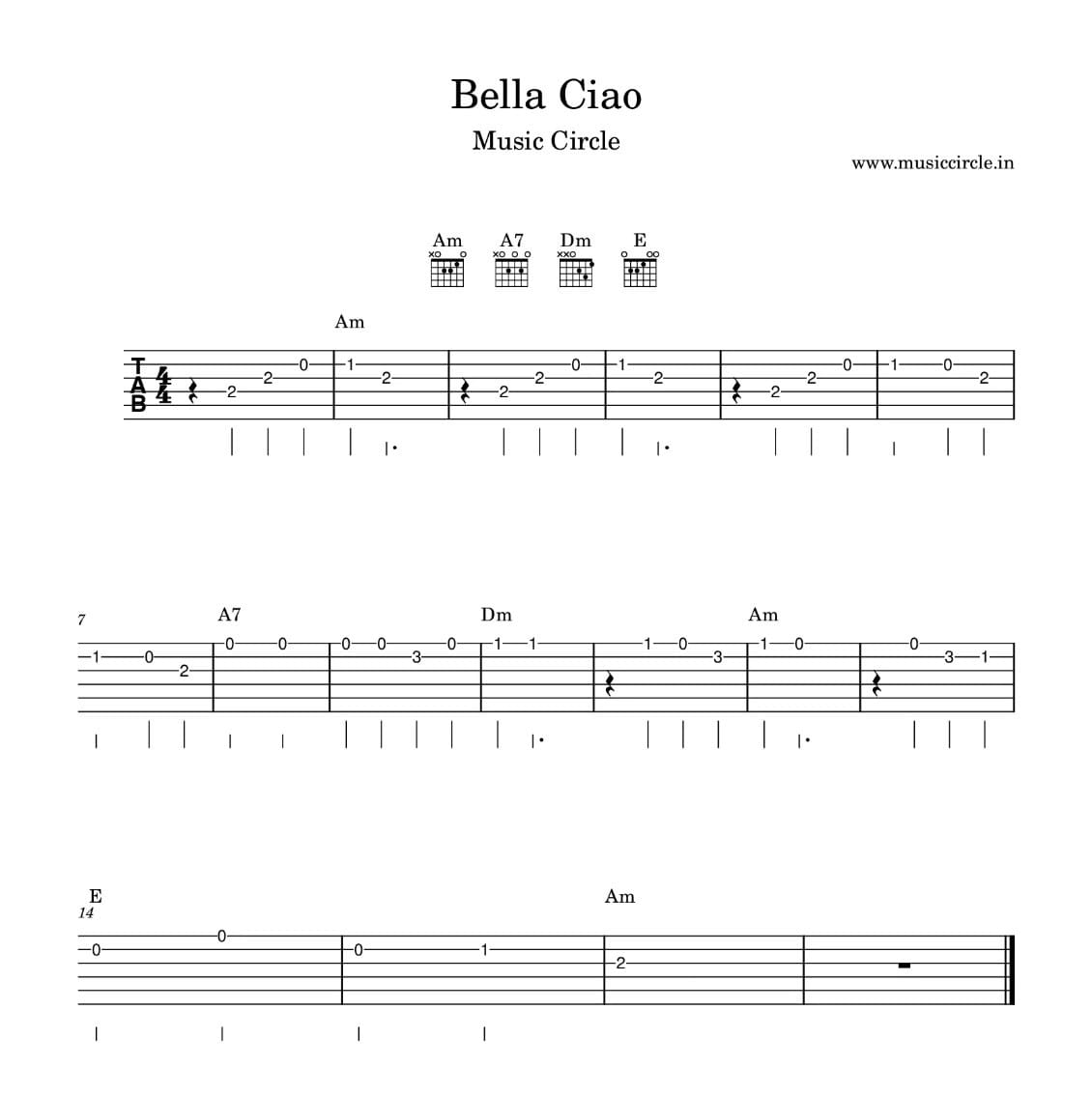
Another Song on TABs (Bella Ciao)

Bella Ciao

Wrapping up, how to practice effectively, and listening to music

As we wrap up this guitar workshop, remember that real progress begins with consistent and mindful practice. Set aside dedicated time each day to revise chords, scales, and techniques slowly and accurately before increasing speed. Focus on clean sound, steady rhythm, and proper finger placement.

Most importantly, listen to music regularly. Active listening helps you understand rhythm, tone, phrasing, and song structure — all of which shape you into a better musician. Keep practicing with patience, stay inspired, and enjoy the journey of making music.